October 09, 2026


A low-maintenance garden is not an empty one. It is a garden where the design does most of the work, so a Saturday morning of pottering keeps everything looking cared for. The difference between a plot that swallows your weekends and one that quietly looks after itself comes down to a handful of decisions made before you buy a single plant. Get the site, the soil and the structure right, and the planting almost takes care of itself.
Before you plan anything, spend a fortnight watching the garden rather than working in it. Note where the sun lands at mid-morning, early afternoon and early evening, because that decides what will grow where. Watch where water collects after heavy rain, and which corners stay damp for days. Check the prevailing wind and look for low spots where cold air settles and frost lingers longest.
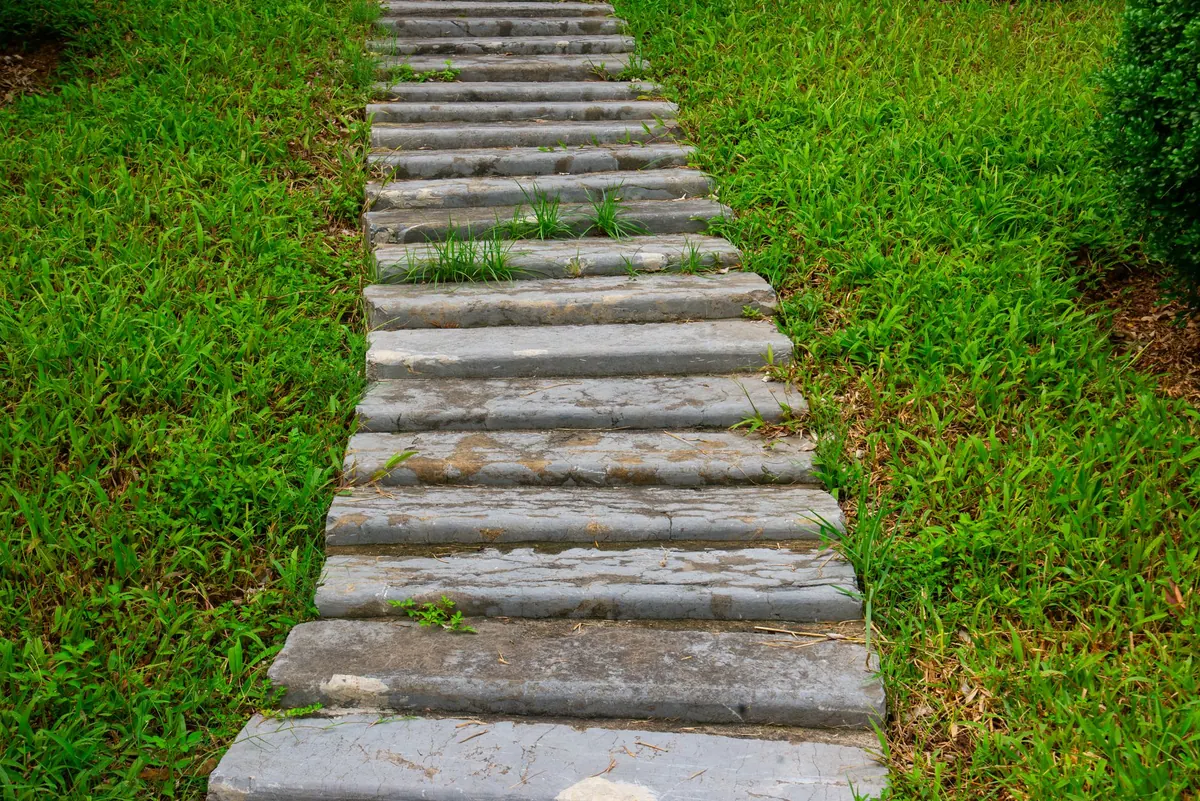
Then walk your routes. The path you take from the back door to the bin store, the washing line or the shed is the path you will want in January, whether or not you have ever paved it. Pace out the space and sketch it on graph paper, marking what already works: a mature shrub, a shed, a drain cover, a tap, a manhole.
Worth noting on your sketch:
Soil is the part most new gardeners skip, and it is the part that decides how much watering, feeding and replacing you do later. Squeeze a handful of damp soil. If it holds a tight, slick ball, you have clay. If it crumbles and refuses to hold shape, it is sandy. Something soft and crumbly in between is loam.
Whatever you have, organic matter improves it. Spread well-rotted manure, garden compost or leafmould over the surface each spring as a mulch, around 5–7cm deep, and let the worms pull it down. There is no need to dig it in. The mulch smothers weed seeds, slows evaporation and feeds the soil life underneath.
If a corner floods every winter, do not fight it. Raise the bed and plant things that tolerate wet roots, such as astilbe, hostas or dogwood. If your soil is chalky or alkaline, work with it and avoid acid-lovers like rhododendrons, camellias and blueberries, unless you grow them in pots of ericaceous compost and accept the watering and feeding that comes with that.
This is where low maintenance is won or lost. Paths should be wide enough to walk with a wheelbarrow: 900mm minimum, and 1.2m if you can manage it. Put proper edging along every border, whether steel, brick, timber or a flush mowing strip of paving, so you can cut grass right up to the edge instead of strimming it.
Raised beds make planting and weeding kinder on the back and let you control the soil. A drip line or soaker hose on a timer will do more for plant survival than good intentions alone. If you use gravel, lay it over a membrane and keep soil out of it, or you will be weeding it by hand for years. Resin-bound and self-binding gravels stay tidier than loose shingle.
Small decisions that reduce effort for a long time:
The oldest rule in gardening is still the best: right plant, right place. A plant in soil and light it likes will ask almost nothing of you. The same plant in the wrong spot will need staking, feeding, extra watering and eventual replacing.
For structure, start with evergreens and shrubs that hold their shape: euonymus, skimmia, sarcococca for winter scent, rosemary and hebe in a sunny spot. Ornamental grasses such as deschampsia and calamagrostis give movement and need cutting back once a year. For flowers, pick long-season perennials that do not need staking or constant deadheading: hardy geraniums, alchemilla, nepeta, salvias, hellebores. Ground cover such as epimedium or Geranium macrorrhizum will shade out weeds in awkward corners.
Lawn is the biggest time cost in most gardens. Keep the lawn modest and the shape simple, and consider letting part of it grow longer, which means less mowing and more for pollinators. Feed once in spring rather than little and often, and keep the mower blade sharp, as a clean cut stresses grass less.
Water deeply and less often in the early morning, and only the plants that are newly in or clearly struggling. Hoe weeds when they are tiny on a dry, sunny day; five minutes then saves an hour later. Choose fewer, larger containers, which dry out more slowly than small ones. Leave perennials standing through winter, which feeds the birds and saves you a cutting-back job in wet weather.
Low maintenance does not mean no maintenance. It means an hour or two a month rather than every weekend, and knowing what you are doing when you are out there. Start small, get one area working properly, and let it teach you what the rest of the garden needs.
Photo: The Hung / Pexels
Elevate your outdoor living space.
Copyright © 2026 Summit Yard. All rights reserved. Summit Yard.