
October 28, 2026


Let’s cut through the noise. If you’ve spent any time in iGaming recently, you’ve probably seen the same recycled “top 10 tips” and vague promises of “big wins.” But the industry is shifting fast—and not always in the directions the glossy banners suggest. From the rise of crash games to the quiet revolution in poker rakeback, here’s what’s genuinely worth your attention in 2025.
Megaways and bonus buys are still dominant, but the shine is fading. Players are getting smarter. A 2024 survey by Eilers & Krejcik found that 68% of slot players now check the RTP (return to player) before spinning—up from 42% three years ago. That’s a big deal. Casinos are responding by hiding RTPs less, and some developers are even publishing volatility indexes upfront.
What’s actually exciting? Hybrid slots. These blend the instant gratification of slots with skill-based mini-games—like “Money Train 4” where you choose which bandit to recruit, or “San Quentin” where a well-timed click can multiply a win. They’re not pure slots, but they’re not video poker either. If you haven’t tried one, you’re missing a trend that could define the next two years. Anyone weighing up options should see keonhacai.
One more thing: streamer influence is causing real distortions. Games get hyped because they look good on Twitch, not because they pay well. Trust your own math, not a loud personality.
For years, online poker players have been squeezed by high rake and low rakeback. But 2025 is seeing a quiet revolt. Several mid-tier sites—GGPoker, Winamax, and a few regional networks—are experimenting with flatter rake structures and weekly flat-fee rakeback. Instead of a confusing points system, you pay a fixed fee (say €20/week) and get 40% of your rake back in cash, no grinding required.
Is it perfect? No. High-volume pros still prefer traditional deals. But for recreational players, it’s a lifeline. If you play 10-15 hours a week, a flat-fee rakeback plan often beats a 20% traditional deal because you stop chasing status levels.
Here’s a concrete example: On a site with traditional rakeback, a player generating €300 in monthly rake might get €60 back after hitting Silver status. On a flat-fee plan costing €20/month, that same player gets 40% of €300 = €120, minus the €20 fee = €100 profit. That’s a 66% increase in returns. Do the math for your own volume. This is explained well on keo nha cai.
PKOs (progressive knockout tournaments) are still growing, but the edge is shrinking as fields get tougher. The real opportunity? Micro-stakes sit-and-gos with fast structures. They’re not glamorous, but a good player can still achieve 8-10% ROI because the rake is lower relative to the prize pool. Avoid the $1-$5 turbos with 10% rake—that’s a rake trap.
Cash-out buttons are everywhere. They feel like control. They’re usually a bad deal. A 2024 study from the University of Nevada, Las Vegas, found that the average cash-out offer is 12-18% below the fair value of the bet’s expected outcome. In other words, you’re paying a hidden tax for “peace of mind.”
When is cash-out actually smart? Only in two scenarios: (1) you have a parlay where one leg is already settled and you want to lock in a profit, or (2) you’re betting on a sport you don’t understand well and want to limit damage. For everything else, let it ride or hedge on a separate exchange like Betfair.
Better yet, focus on closing line value (CLV). If you consistently beat the closing odds, you’re a long-term winner. If you don’t, no cash-out strategy will save you. Track your CLV for 100 bets. If you’re negative, change your approach.
Crash games (Aviator, Bustabit, Limbo) have exploded in popularity, especially among younger players. They’re simple: a multiplier rises, you cash out before it crashes. The appeal is real-time decision-making without complex rules. But here’s the catch: house edges on crash games are typically 1-3%, which is fair. The problem is player behavior. Most people chase losses by increasing bet size after a crash, which turns a low-edge game into a high-risk gamble.
If you play crash games, set a strict stop-loss and stick to a flat betting strategy. The math is against you if you tilt. A 2% edge means you lose 2 cents per dollar wagered over the long run. That’s acceptable for entertainment—but only if you control your emotions.
I’ll keep this short because it’s not preachy—it’s practical. The biggest difference between winning and losing players isn’t skill; it’s bankroll management. Set a monthly loss limit that you can genuinely afford to lose. If you hit it, stop. No “one more deposit.” No “I’ll win it back.”
Use deposit limits on every site you play. They’re legally required in most regulated markets now, and they work. A 2023 study in the Journal of Gambling Studies found that players who set deposit limits reduced their average monthly losses by 34%—without reducing enjoyment.
And if you’re playing primarily to escape stress, not for fun, take a break. The games will still be there next month.
In slots, poker, betting, or crash games, the house always has an edge. But the players who succeed long-term are the ones who treat iGaming like a hobby with a budget, not a lottery ticket. They read the RTP. They calculate rakeback. They avoid cash-out traps. They don’t chase losses.
The industry wants you to believe that the next spin or hand is the big one. The reality is that the big one comes from discipline, not luck. So next time you log in, ask yourself: am I playing smart, or am I just playing? The answer will determine whether you’re still having fun six months from now.
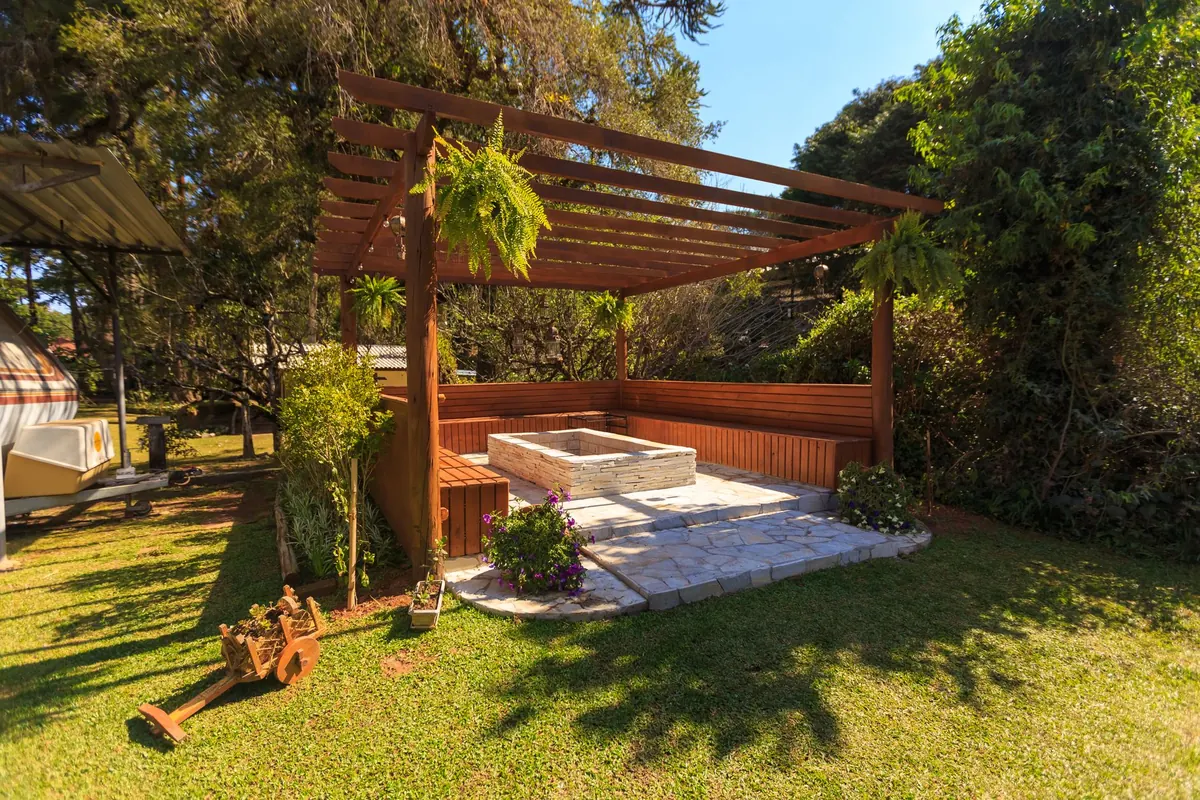


Elevate your outdoor living space.
Copyright © 2026 Summit Yard. All rights reserved. Summit Yard.